At Forman, we’re always looking for innovative ways to support our students as they grow into confident, independent learners. One of the most exciting examples of this commitment is our Collaborative Classroom—a unique model for students that seamlessly blends content instruction with executive functioning support directly within the classroom. This collaborative classroom model for students with learning differences is being piloted in English classrooms in partnership with the Cognition and Learning Department.
Where Skills Meet Application
The Collaborative Classroom was created to help students apply what they learn in their Cognition and Learning classes directly to their core academic work. Instead of learning executive functioning strategies in isolation, students practice them in real time, within their English coursework.
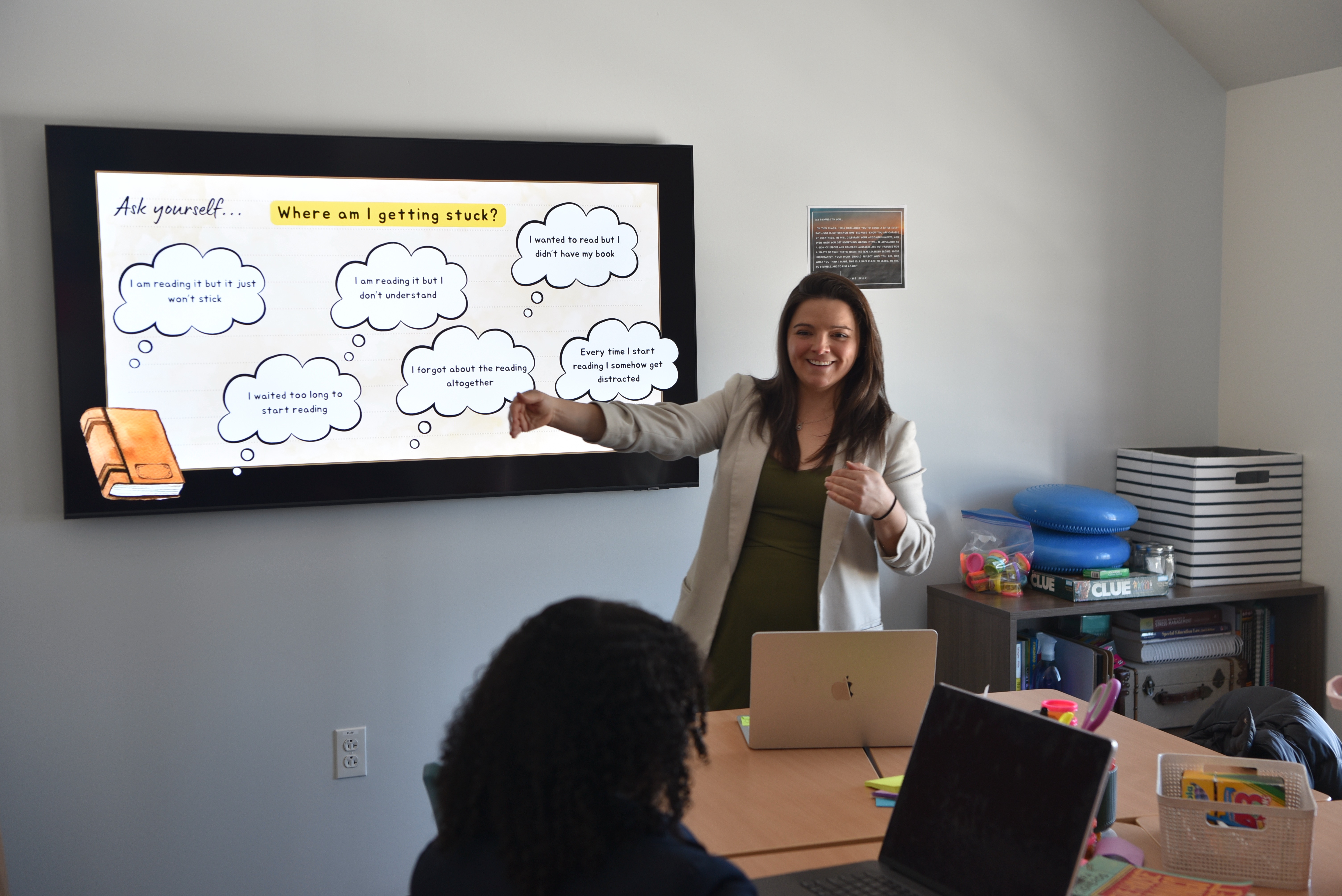
Whether they are breaking large projects into smaller pieces, practicing active reading strategies, creating or using graphic organizers, leveraging assistive technology, or estimating the time needed for assignments, students begin to build a toolbox of techniques they can use not only at Forman but also in life beyond our campus.
Learning Through Reflection
A central goal of the Collaborative Classroom is fostering students’ reflective thinking. Throughout the year, teachers guide students through metacognitive questions like:
What worked, and how do you know?
What was challenging about this assignment?
What contributed to your success or got in the way?
How can you apply newly learned tools to your other classes?
These conversations help students deepen their understanding of themselves as learners and develop the confidence to monitor, adapt, and advocate for their own learning needs.
A True Partnership Between Teachers
Each Collaborative Classroom is co-designed and co-taught by an English teacher and a teacher specializing in Cognition and Learning. While the English teacher leads the content instruction, the Cognition and Learning teacher seamlessly integrates executive functioning strategies into daily lessons.
This collaboration often happens organically—whether through mini-lessons, individual check-ins with students, or modeling metacognition for the whole class. The flexibility and adaptability of both teachers are key to making the Collaborative Classroom such a powerful space for learning.
Individual Support, Built In
One of the major strengths of this collaborative classroom model is access to one-on-one support. With two teachers in the room, students can meet individually with a Cognition and Learning teacher during summative assessments or major projects. These meetings mirror executive functioning coaching sessions, giving students space to reflect on their process, troubleshoot challenges, and create a personalized plan for success.
Shared planning tools ensure consistency across classrooms and grade levels, making the experience cohesive and intentional for all students with learning differences.
A Growing Model With Big Impact
The Collaborative Classroom model has grown significantly since its inception. Last year, one Cognition and Learning teacher supported upperclassmen English electives. This year, the program expanded to include four Cognition and Learning teachers working across all ninth- and 10th-grade English classes, ensuring that every student develops a foundational set of executive functioning skills. This growth underscores the impact of Forman’s collaborative classroom model for students with learning differences across grade levels.
Looking Forward
Looking ahead, Forman aims to expand this model into additional content areas—including history, math, and science. This will provide students with the opportunity to apply executive functioning strategies to a broader range of academic tasks, from research papers to lab reports.
The Collaborative Classroom is a model truly unique to Forman, representing our commitment to helping students with learning differences grow not just academically, but as self-aware, capable learners. We’re excited to see how this program continues to evolve and support students throughout their time here—and for years to come.
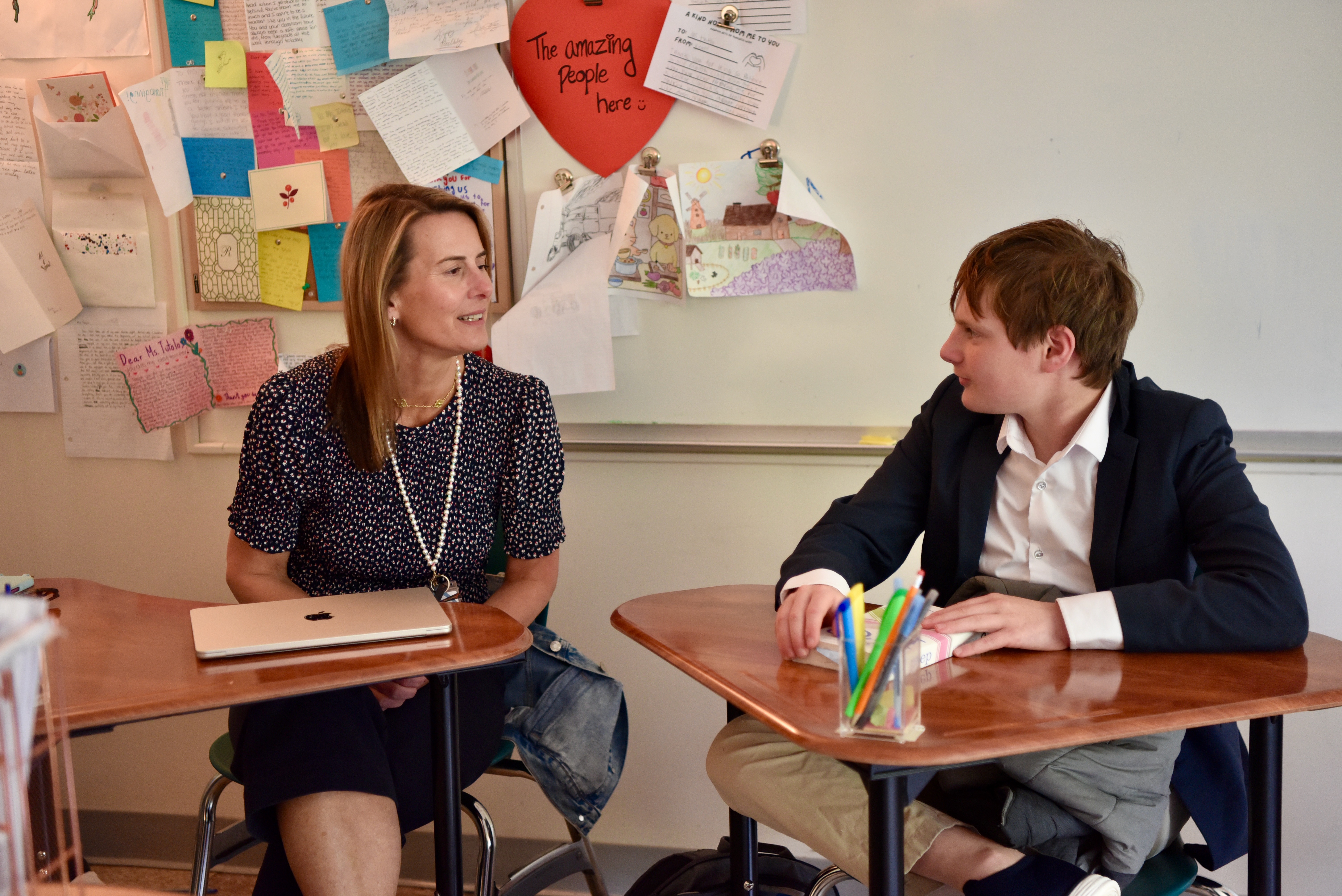
This blog was written in part by Director of Cognition and Learning Kristin Simmers and Cognition and Learning Teacher Brittany Bloom-Price. Pictured is Cognition and Learning Teacher Rebecca Fausel and Simon Fretzin ’28.






.png)