What Differentiation Really Means
Differentiation is the practice of intentionally tailoring instruction to meet students’ individual needs. It is central to strong teaching everywhere and a particular strength at Forman School, where we understand our students holistically and recognize the complexity and potential that each student brings. For families and educators exploring how to support neurodiverse students in school, differentiation is one of the most effective, research-informed approaches. At its core, differentiation means that all students work toward the same learning goals, but they may take slightly different paths to get there. These pathways draw on students’ strengths and learning styles.
Importantly, differentiation does not mean lowered expectations. Instead, it creates the conditions for “high challenge, high support,” an approach endorsed by researcher Dr. David Yeager's mentor mindset. Our small class sizes and deep knowledge of our students help us to create truly individualized pathways to success via differentiation. Every day, we at Forman School challenge our students to be 1% better than they were the day before—constantly holding them to higher expectations and providing the support they need to meet them.
Why Differentiation Matters for Neurodiverse Teens
All learners are unique, especially neurodiverse teens. Students with ADHD, dyslexia, giftedness, or multiple diagnoses often think, process, and demonstrate their learning in diverse ways. Without differentiation, every student in a class might be asked to complete the same assignment, such as a five-paragraph essay, using the same rigid steps: a standard outline, text-heavy sources, and one prescribed writing process. For some students, that pathway works. For others, it becomes a barrier, suggesting they are not good enough and knocking their self-confidence.
Effective differentiation removes those barriers. The learning goal stays the same, but students can access it through approaches that match their strengths and support their areas of challenge. This not only boosts confidence and engagement but also nurtures growing independence as students discover effective, individualized pathways to success. Understanding how to support neurodiverse students in school means recognizing that flexibility in approach, not expectations, is what drives meaningful progress.
The Four Pillars of Differentiation in Our Classrooms
There are four core ways that our teachers differentiate education: Content, Delivery, Product, and Environment.
1. Content: Adjusting the Material to Meet Students Where They Are
Differentiating content means making materials accessible without changing the intended learning objective. It’s about removing barriers while preserving a level of challenge. For example, teachers might offer the same text at multiple reading levels, provide an audio version to support working memory or decoding needs, or allow students to choose from several topics aligned with their interests; choices that inherently build student motivation and engagement.
2. Delivery: Multiple Ways to Explore and Understand Concepts
Differentiating delivery means varying how students experience and make sense of new concepts. Traditional approaches, such as lectures or reading assignments, can be effective, but research shows that students learn more deeply when they engage with material in multiple ways. High-quality differentiation incorporates additional modality options, such as hands-on activities, visuals or videos, graphic organizers, demonstrations, or structured discussions. By offering more than one mode of exploration, teachers give students multiple entry points into understanding the same concept. A simple rule of thumb is to provide at least two distinct ways for students to engage with the content to increase student engagement, understanding, and memory. Here at Forman School, teachers collaborate and reflect on their practices to find the most effective delivery modes for our students.
3. Product: Giving Students Options to Show What They Have Learned
Differentiating the product means offering students choices in how they demonstrate their learning. Quizzes and tests are familiar and valuable tools, but oftentimes classic assessment strategies induce anxiety and hinder students’ perseverance. When appropriate, Forman teachers invite students to demonstrate understanding through presentations, videos, verbal explanations, kinesthetic models, or other creative formats aligned with the learning goal. These strategies don’t change the academic expectations; product differentiation simply allows students to express what they've learned in ways that complement their learning styles. Providing educational autonomy can boost motivation, reduce anxiety, and give teachers a clearer picture of what each student truly understands.
4. Environment: Creating Spaces That Support Focus, Comfort, and Emotional Safety
An often-overlooked aspect of differentiation involves providing options in the physical and emotional environments to best support learning. Simple adjustments through flexible seating options, quieter learning spaces, sensory filtration tools (noise-canceling headphones, non-fluorescent lighting, etc.), or sensory-seeking tools support students’ self-regulation, increase attention, and reduce sensory overload. Environmental differentiation also includes thoughtful grouping for collaborative work to ensure students feel emotionally safe and academically supported. For neurodiverse students in particular, a well-designed environment can make the difference between simply managing a task and truly engaging in meaningful learning.
Differentiation Beyond the Classroom: A Whole-Day Approach
One of the things that makes differentiation at Forman truly distinctive is our ability to extend it far beyond the classroom. Whether a student is boarding in our dorms or commuting to school each day, we view differentiation not just as an instructional technique but as a holistic approach to supporting each learner throughout every part of their day. This whole-day model reflects a deeper understanding of how to support neurodiverse students in school by aligning academic, residential, and extracurricular experiences.
In our dorms, this means helping students develop personalized morning and evening routines that align with their executive functioning strengths and needs. Houseparents work closely with students to build organizational systems that feel manageable and authentic. Once that system is in place, those houseparents continue to support students’ self-monitoring and routine adjustment as needed. For one student, this may be weekly check-ins reflecting on the relationship between personal hygiene and mental health. For another student, it may be strategic visual reminders to maintain room cleanliness. At Forman, we provide differentiated content to support the holistic student.
Differentiation continues into athletics, where coaches tailor drills and goals to individual learners. A student who needs more repetition to learn a play will receive additional practice time, while another may benefit from visual models or step-by-step demonstrations. Our coaches invest time in getting to know each athlete, allowing them to adjust their instruction and support accordingly.
You’ll also see differentiation in our clubs and afternoon activities, which emphasize student choice and strengths-based engagement. At Forman School, students select offerings that spark their curiosity, from art and outdoor adventure to robotics and music, while faculty provide the right balance of structure and flexibility to meet diverse needs. Across campus, differentiation ensures that every student can engage, grow, and thrive in ways that feel meaningful and attainable.
Why This Matters for Your Child
Ultimately, differentiation is a powerful way for neurodiverse teens to build confidence, independence, and a strong sense of self, both in the classroom and in their daily lives. When students realize that the adults around them understand their unique learning profiles and design supports that honor their strengths, they feel seen, respected, and valued. This sense of belonging fuels motivation and meaningful growth.
Forman’s strength-based approach to differentiation creates an environment where students can experience success while also developing the skills they find most challenging. By meeting each learner where they are and offering intentional pathways forward, we help students define their potential and equip them with the tools they need to thrive long after they leave our campus. For families seeking clear, effective answers on how to support neurodiverse students in school, Forman’s integrated, research-informed model offers a proven path forward.
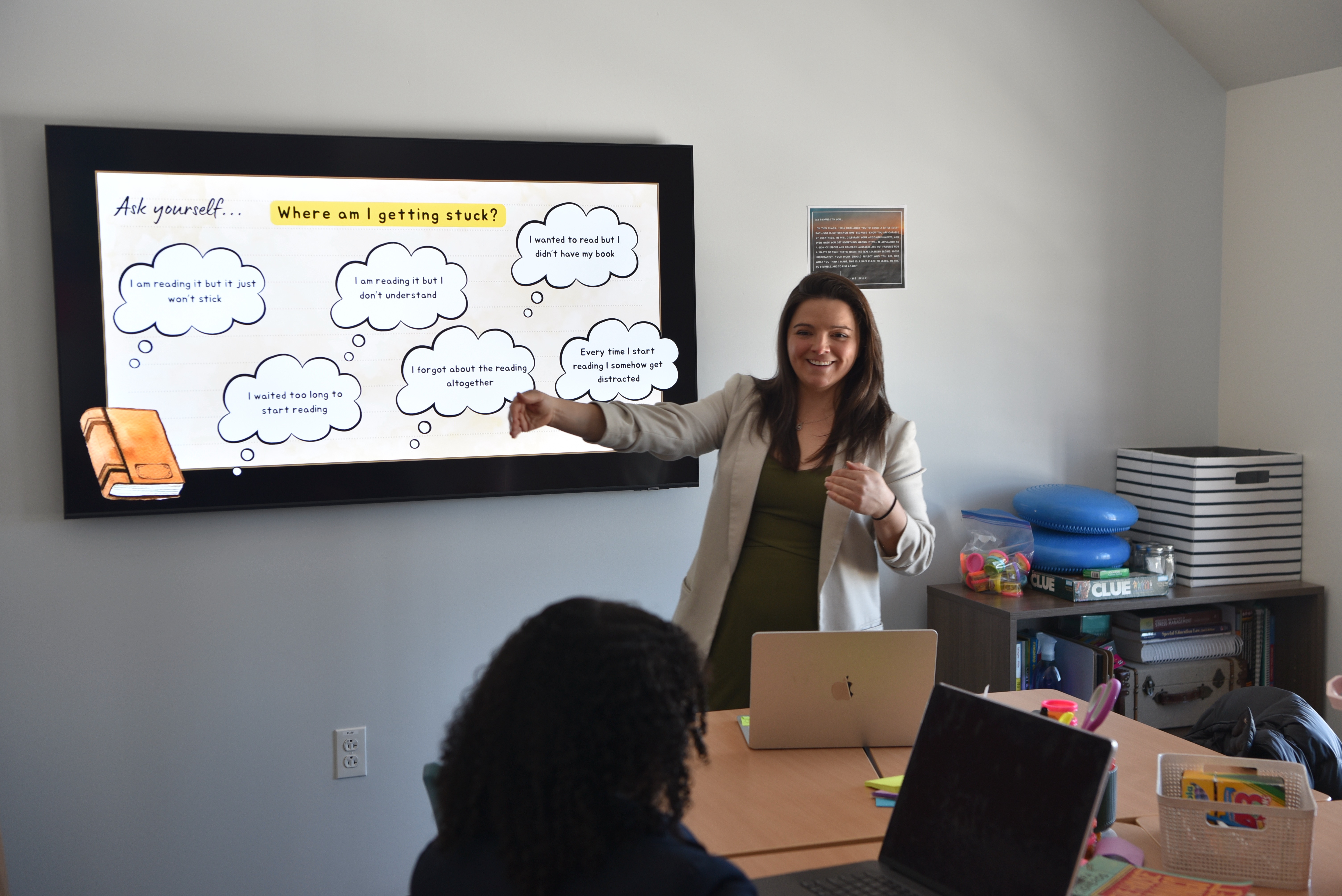
This blog was written in part by Director of Cognition and Learning Kristin Simmers and Cognition and Learning Teacher Kat Kelly (pictured).







.png)